How to Find a Water Leak
Your water meter is the first stop when you want to know how to find a water leak, not a guess. A bill that jumps for no reason is the usual first clue, and a meter check plus a walk through the house narrows the cause fast. Whatever the hunt turns up, our Nudgee plumbers fix it, and every job is done by a licensed plumber.
If we're late, $100 comes off your bill

- Licensed and InsuredEvery job done by a licensed plumber. QBCC No: 15024607
- Fixed Quote FirstFlat-rate pricing, agreed before any work starts
- Lifetime Labour WarrantyBacked by our Fix-It-or-It's-Free guarantee (T&Cs apply)
- $0 Call-Out FeesNo extra charge for nights, weekends or public holidays
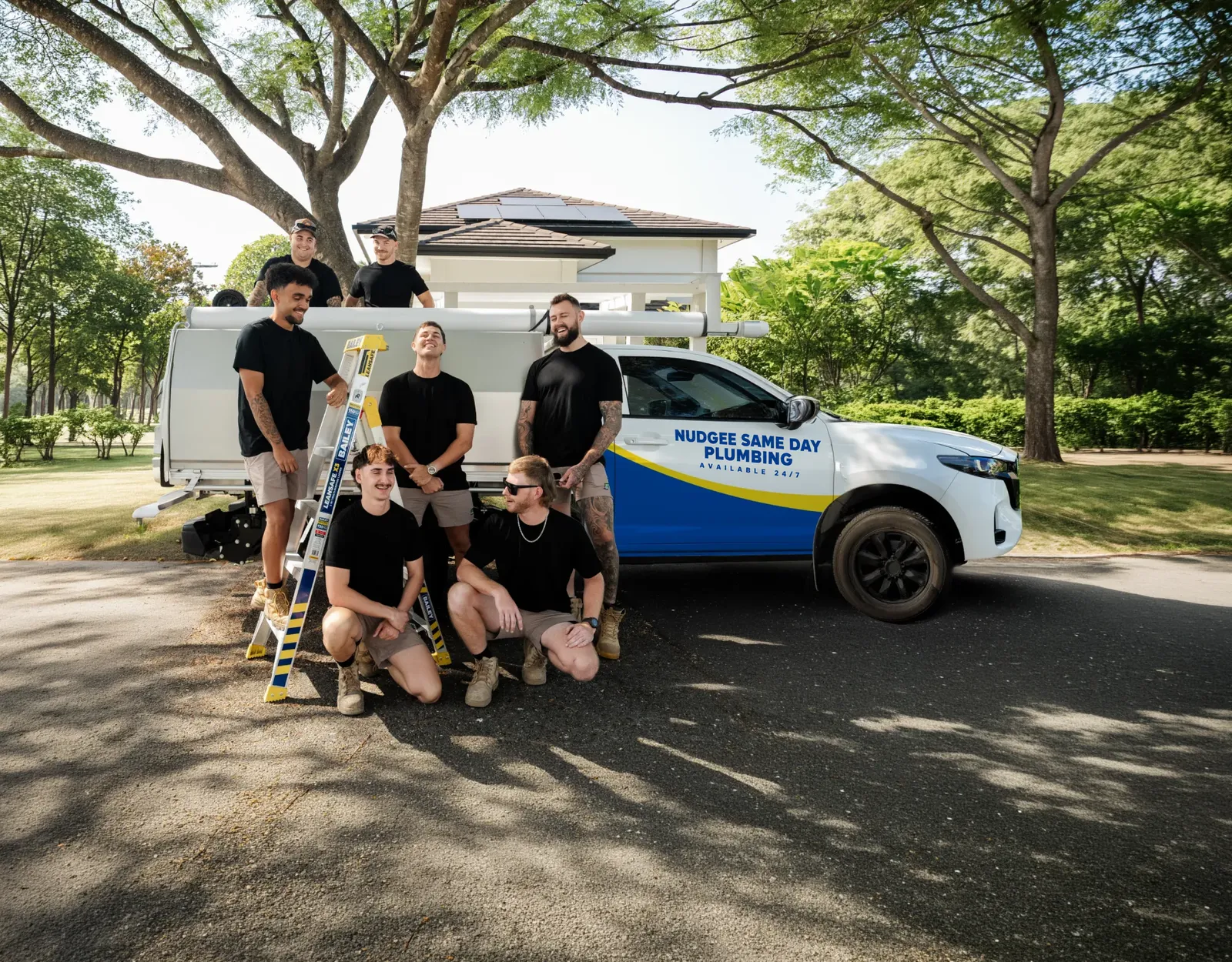
One local quirk is worth knowing first. The oldest houses here still run galvanised steel service lines, and those let go at their corroded threads, so the yard often goes damp well before anything shows indoors. A soggy patch beside an older home deserves a meter check, not a shrug.
Does Your Meter Move With Everything Off
Shut down every outlet and appliance that draws water, photograph the numbers on the meter including the red digits, and leave the meter's own tap open. Read it again after a period when nothing on the property should be using water.
Movement in the numbers or the dial tells you water is passing through the meter with nothing calling for it. That points to a leak on the property side.
You'll find the meter in a shallow box flush with the ground, generally in the verge between the road and your boundary. Lift the lid, take the photo, and leave things alone for an hour or more: no showers, no flushing, no dishwasher.
What the result means:
- Numbers steady: the pipework is holding, and the bill has another explanation.
- Numbers changed: water is on the move, so bring a licensed plumber in.
Don't rely on the water utility to raise the alarm. Urban Utilities runs a high-usage watch program and gets in touch where possible, but its advice is not to depend on that. Read your own meter, because leaks on the property are the owner's problem first.
Toilets, Taps, Showers and Appliances
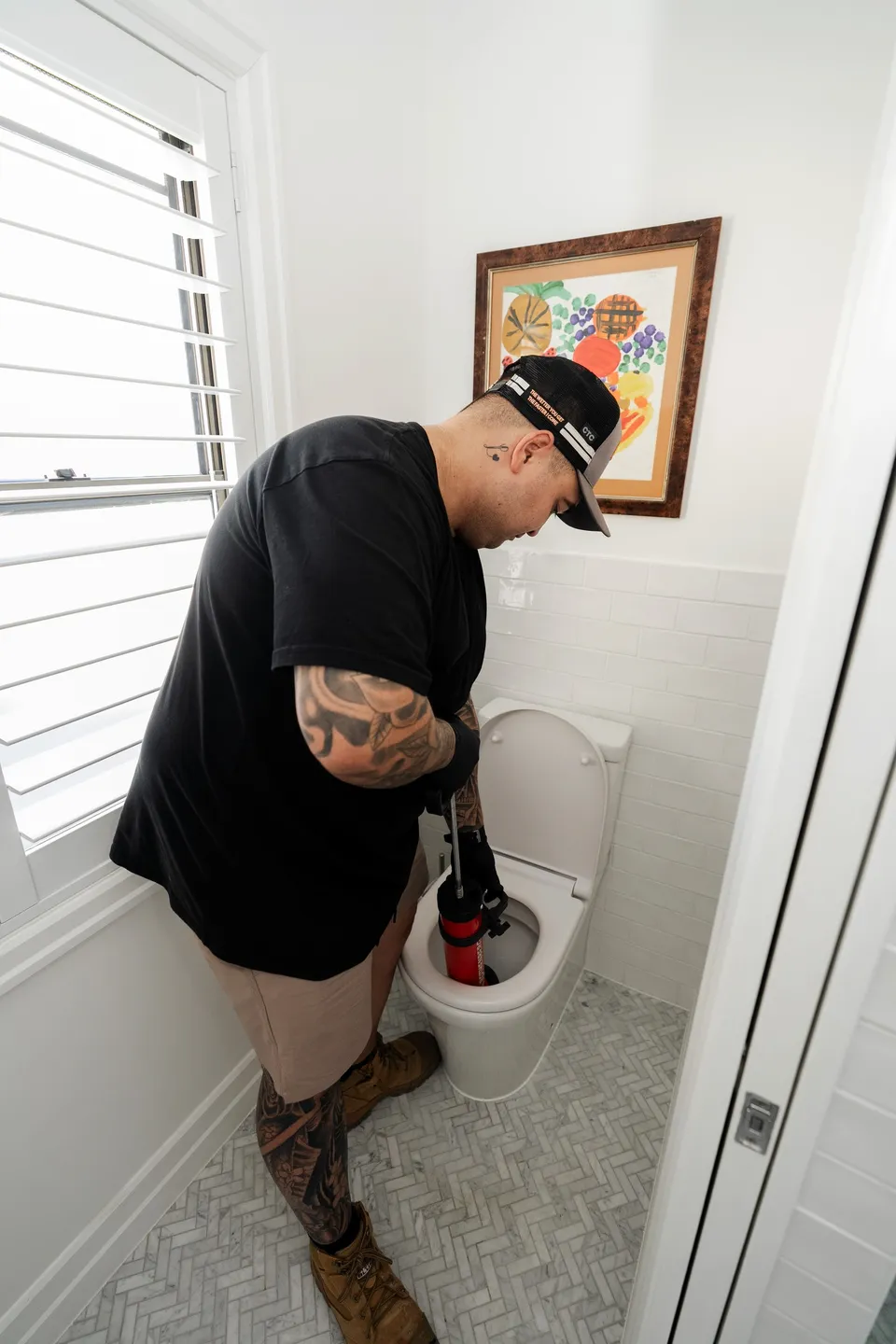
Begin with the toilet cisterns, work through the taps and showers, check the appliances that connect to water, then inspect every wall, ceiling and floor for damp. Toilets quietly waste more water than any other fixture, which is why they come first.
The indoor checklist, in order:
- Toilet cisterns: add food colouring to the cistern, wait without flushing, then look at the bowl. If colour reaches the bowl, water is slipping past the cistern's outlet. Flush afterwards, because the dye won't stain ceramic.
- Taps and showers: check each outlet closes fully and leaves no drip, laundry and second bathroom included.
- Appliances: inspect beneath and behind the fridge with a plumbed connection, plus the washing machine and dishwasher, for drips or wet flooring.
- Surfaces: damp patches, stains, a stale musty odour, finishes swelling or peeling, and a floor area that feels warm all point to water where it shouldn't be.
The hot water system draws water too, so check around the tank while you're there. Station-side houses near the cemetery and crematorium end of St Vincents Road hold tanks that have been swapped several times over, and when one lets go the water often travels under the floor first. A warm or damp floor in one of those homes is worth a phone call that afternoon.
Who Fixes the Leak You Find
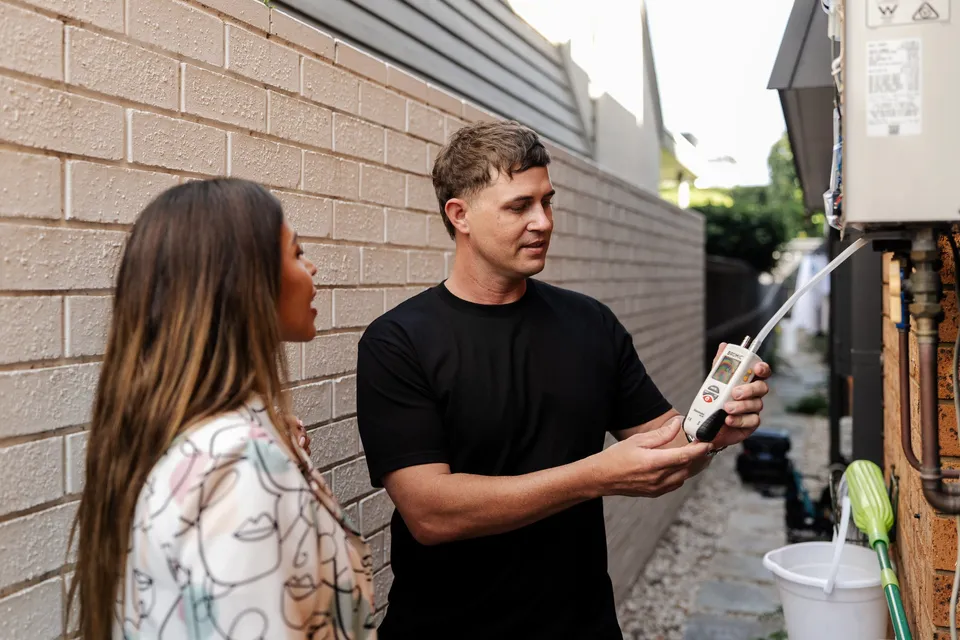
A leak found at a tap, toilet or fitting is the likely cause. A meter that still ticks over with nothing found points to a hidden leak underground, under a drive or inside a wall, and those hidden ones can dump thousands of litres a day before the bill or the damage gives them away.
Either way, a licensed plumber does the repair. Queensland classifies fixing a broken pipe as minor work: a licensee has to carry it out, without a permit or Form 4. The pipes past the meter, all the way in, are yours to look after, so the repair is yours to arrange rather than the utility's.
Queensland leaves a small slice of owner DIY: swapping a washer or jumper valve inside a tap, or certain cistern washers, is unregulated work anyone with the know-how may do. A whole new tap, or any leaking pipe, goes back to a licensed plumber.
How we trace one the hunt can't reach, and how the utility's bill adjustment works, sit on our leak detection in Nudgee page.
Garden Taps, Tanks and Other Water Users
Outside, work through the garden taps and their hose fittings for drips, any rainwater tank for mains top-up, and the lawn and paving for soggy or oddly green ground. An outdoor tap with a slow drip can shed thousands of litres over a season, so the small stuff counts.
The outdoor checklist:
- Garden taps and hoses: run a finger under each outlet and connector, and look for green slime or rust staining below.
- Rainwater tank: where it's connected to town water, make sure it isn't refilling itself from the mains. A failed solenoid or worn internal part can keep the water coming, and a licensed plumber sorts that out.
- The ground: soggy lawn, grass greener than its neighbours, spongy footing and uneven paving all suggest a leak below the surface.
- A pool, if you have one: stand a bucket of pool water on a step so it matches the pool, and mark the level on both. Wait a full day with nobody swimming, then compare: a pool that fell further than the bucket has a leak, and matching drops are just evaporation.
Reactive clay under Nudgee swells and shrinks with the seasons, working on buried joints, and the pre-war housing adds ageing supply lines on top. An unexplained green patch in this suburb earns a meter check rather than a wait-and-see.

When to Call a Plumber
Call once the meter moves and the hunt finds nothing, or straight away if water is showing inside. Leaks inside walls or under ground keep running, and every day adds to the bill and the repair.
For anything flooding right now, shut the water off at the meter first, then ring (07) 3523 7172. We're available 24/7, and the price stays the same after hours.
Hidden Leak Questions From Nudgee
Call (07) 3523 7172How do I find a hidden water leak at home?
Start at the meter with everything switched off, then check the toilets, taps, showers and appliances inside, and the garden taps, tank and wet ground outside. A licensed plumber traces whatever the hunt leaves behind.
Who is responsible for a hidden leak in Nudgee?
The property owner. Every pipe past the meter belongs to the owner to maintain, concealed leaks included, and Urban Utilities looks after the mains and sewer in the street.
How does a plumber find a leak I can't find?
The plumber confirms it at the meter, isolates sections of pipework, pressure-tests each one, listens along the line, then takes moisture readings before opening anything. Our leak detection page has the detail.
Will Urban Utilities reduce my bill after a hidden leak?
Yes, it may, under the utility's concealed leak rules. The leak must be out of sight, past the meter, fixed within the allowed time and covered by a licensed plumber's invoice. Dripping taps and running toilets don't qualify.

Talk to Us About That Leak TodayWe'll call you back.
Book on (07) 3523 7172 for plumbing anywhere in Nudgee. We're available 24/7, there's no extra charge for nights, weekends or public holidays, and every job comes with $0 call-out fees.
To claim your $0 call-out fee, call (07) 3523 7172 today.